Introduction
Potato benefits include providing energy, potassium, and vitamin C, making potatoes a useful part of a balanced daily diet when prepared in a simple way. Although often misunderstood because of their carbohydrate content, potatoes can be a nutritious food that fits into many healthy eating patterns.
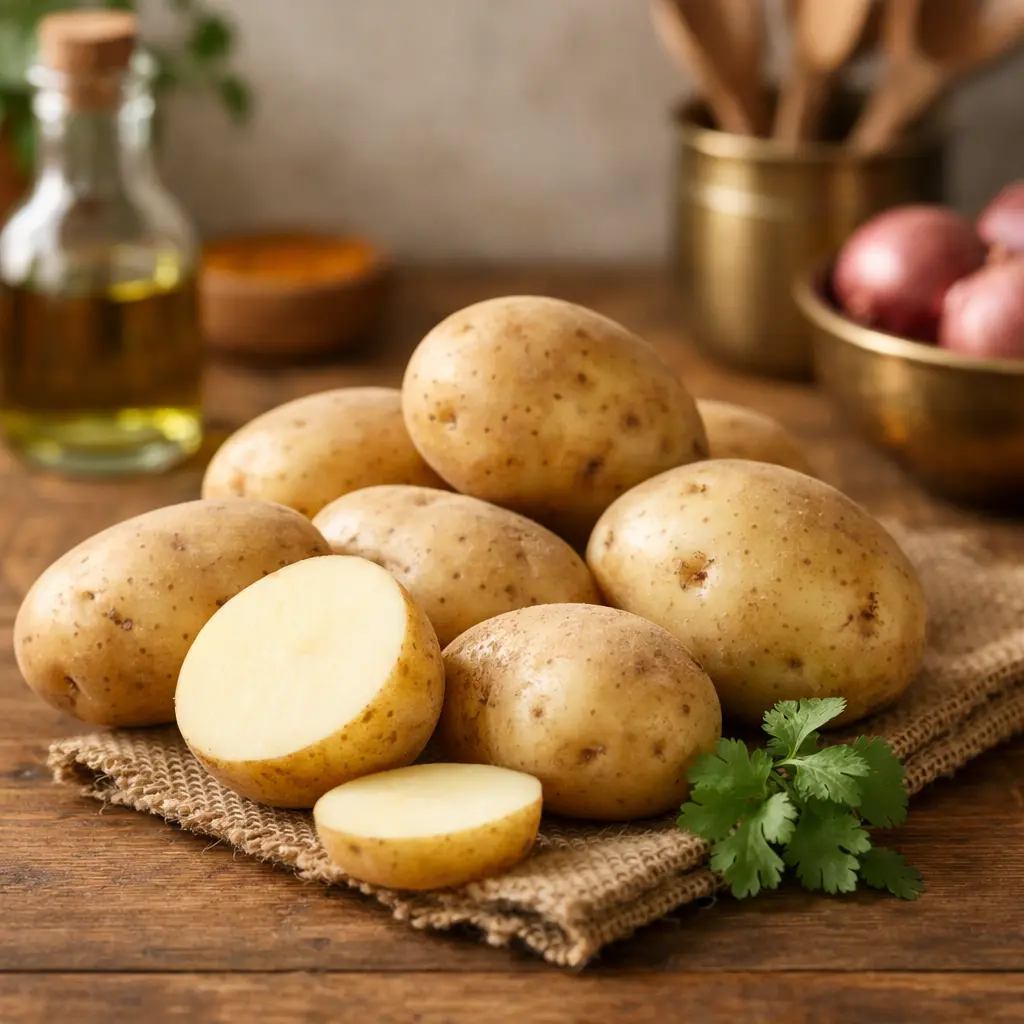
Potatoes are underground tubers from the plant Solanum tuberosum. They are widely consumed around the world and are a common ingredient in Indian meals such as sabzi, paratha, and mixed vegetable dishes. When cooked without excessive oil, potatoes are naturally low in fat and provide several important nutrients that support overall health.
Potato Nutrition Facts (Per 100g & Serving Size)
This nutrition snapshot shows the key nutrients found in potatoes in a simple and easy-to-understand format.
Per 100 g
76 kcal
2 g
16.3 g
0.2 g
~470 mg
~21 mg
Per Serving
Example: 1 medium potato (about 150 g)
~110 kcal
~3 g
~24 g
~700 mg
Values are approximate and may vary depending on potato variety and cooking method.
Potato Benefits for Energy and Daily Nutrition
Potatoes are an excellent source of carbohydrates, which serve as the body’s primary source of energy. The starch found in potatoes is broken down into glucose, helping provide fuel for muscles, the brain, and other organs throughout the day.
Because potatoes are filling and affordable, they are often used as a staple food in many cultures. When included as part of a balanced meal, they can help support daily energy needs without contributing large amounts of fat.
Key Vitamins and Minerals in Potatoes
Potatoes provide several vitamins and minerals that help support normal body functions. One of the most notable nutrients is potassium, which helps maintain fluid balance, supports muscle contractions, and contributes to normal heart function.
They are also a source of vitamin C, an antioxidant that supports the immune system and helps the body produce collagen for healthy skin, blood vessels, and connective tissues. In addition, potatoes contain smaller amounts of vitamin B6 and magnesium, which play important roles in energy metabolism, nerve function, and overall health.
While potatoes are not as nutrient-dense as some vegetables such as leafy greens, they still provide a variety of essential nutrients that can contribute to a balanced and nutritious diet.
Are Potatoes Good for Weight Loss?
Potatoes are often misunderstood when it comes to weight loss because they contain carbohydrates. However, carbohydrates alone do not determine whether a food supports healthy weight management. Factors such as calorie content, nutrient density, and satiety (how full a food makes you feel) are equally important.
One reason potatoes may support weight-management goals is their ability to promote fullness. In a well-known satiety index study published in the European Journal of Clinical Nutrition, researchers compared 38 common foods and found that boiled potatoes had the highest satiety score. Boiled potatoes scored 323%, making them significantly more filling than white bread, which was used as the reference food with a score of 100%.
Feeling fuller after meals may help reduce hunger between meals, decrease snacking, and make it easier to manage overall calorie intake.
Several factors contribute to the filling nature of potatoes:
- High water content
- Natural fiber, especially when eaten with the skin
- Resistant starch and slowly digested carbohydrates
- Large volume relative to their calorie content
A medium boiled potato provides a substantial amount of food while containing a moderate number of calories. When prepared without excessive oil, butter, or high-calorie toppings and eaten as part of a balanced diet, potatoes can fit well into many weight-loss and weight-management plans.
What the Research Suggests
The satiety index study also found that foods higher in water, fiber, and protein tended to produce greater feelings of fullness, while foods higher in fat were generally less satiating. Potatoes performed exceptionally well because they provide a large serving volume, significant water content, and satisfying carbohydrates for relatively few calories.
For people trying to lose weight, choosing filling foods like boiled potatoes may help control appetite naturally and support a calorie deficit without feeling overly hungry.
How to Keep Potatoes a Healthy Part of Your Diet
The health effects of potatoes depend largely on how they are prepared and what foods they are served with. Boiling, steaming, baking, and roasting are generally healthier cooking methods because they preserve much of the potato’s nutritional value without adding large amounts of fat.
Keeping the skin on can increase fiber intake and help retain additional nutrients. Potatoes can also be combined with vegetables and protein-rich foods such as dal, beans, curd, tofu, or paneer to create a more balanced and satisfying meal.
Portion size is also important. Like any food, potatoes are best enjoyed as part of a varied diet that includes fruits, vegetables, whole grains, and protein-rich foods.
Processed Potato Foods and Health Effects
Many popular potato-based foods are highly processed and may contain large amounts of added fat, sodium, and calories. Examples include potato chips, french fries, loaded fries, potato wedges, hash browns, tater tots, and other deep-fried potato snacks.
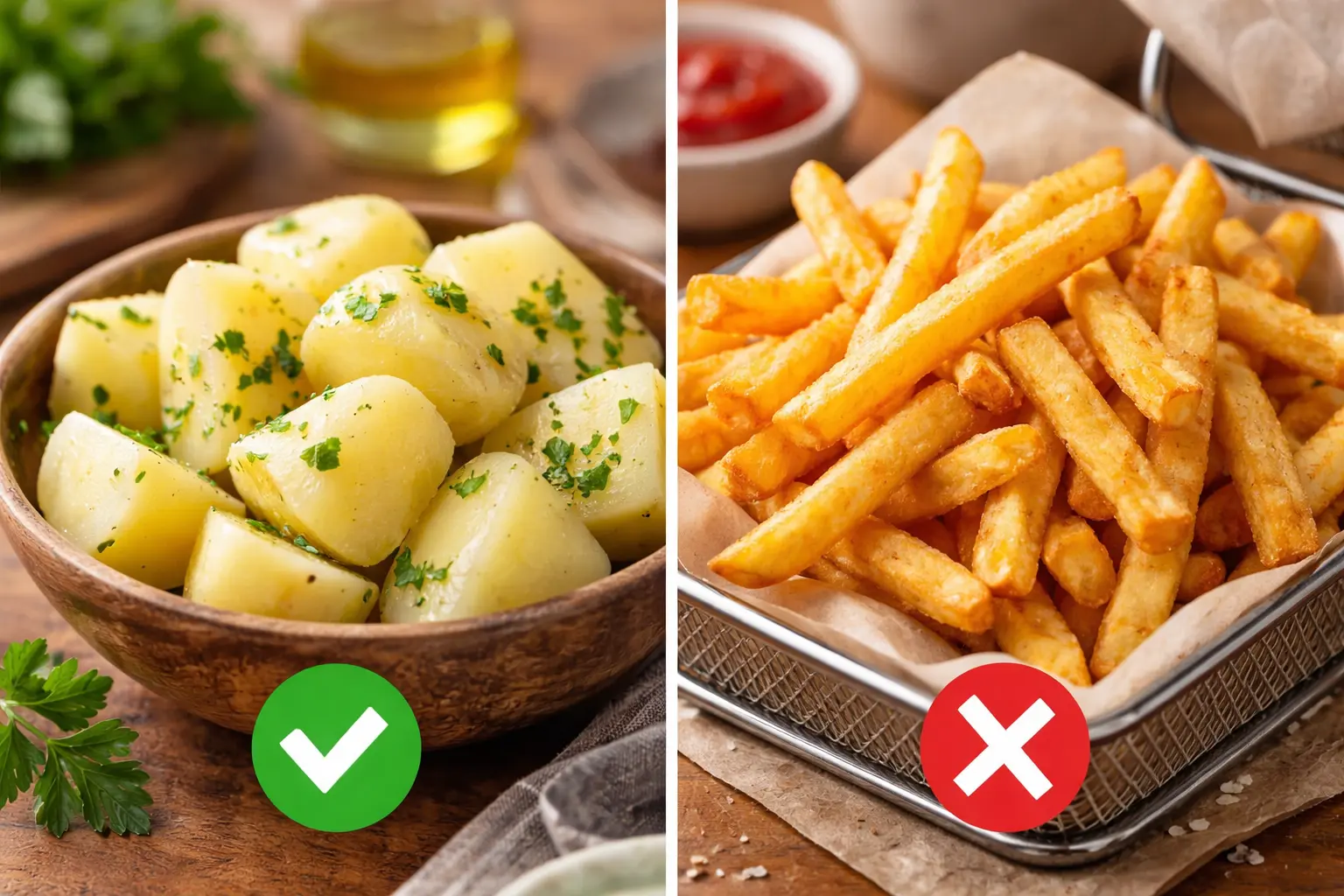
Regular consumption of these foods may contribute to excessive calorie and sodium intake. Over time, diets high in heavily processed foods may make it more difficult to maintain a healthy body weight and support overall health.
These foods are often designed to be highly palatable, making it easy to consume large portions in a short period of time. As a result, they may provide more calories than expected while offering fewer nutrients than less processed foods.
It is important to note that the potential health concerns are generally linked to the processing methods and added ingredients rather than the potato itself. Boiled, baked, or steamed potatoes have a very different nutritional profile from deep-fried and heavily processed potato products.
For this reason, the nutritional effects of potato-based foods can vary greatly depending on how they are prepared and consumed.
Potato Safety
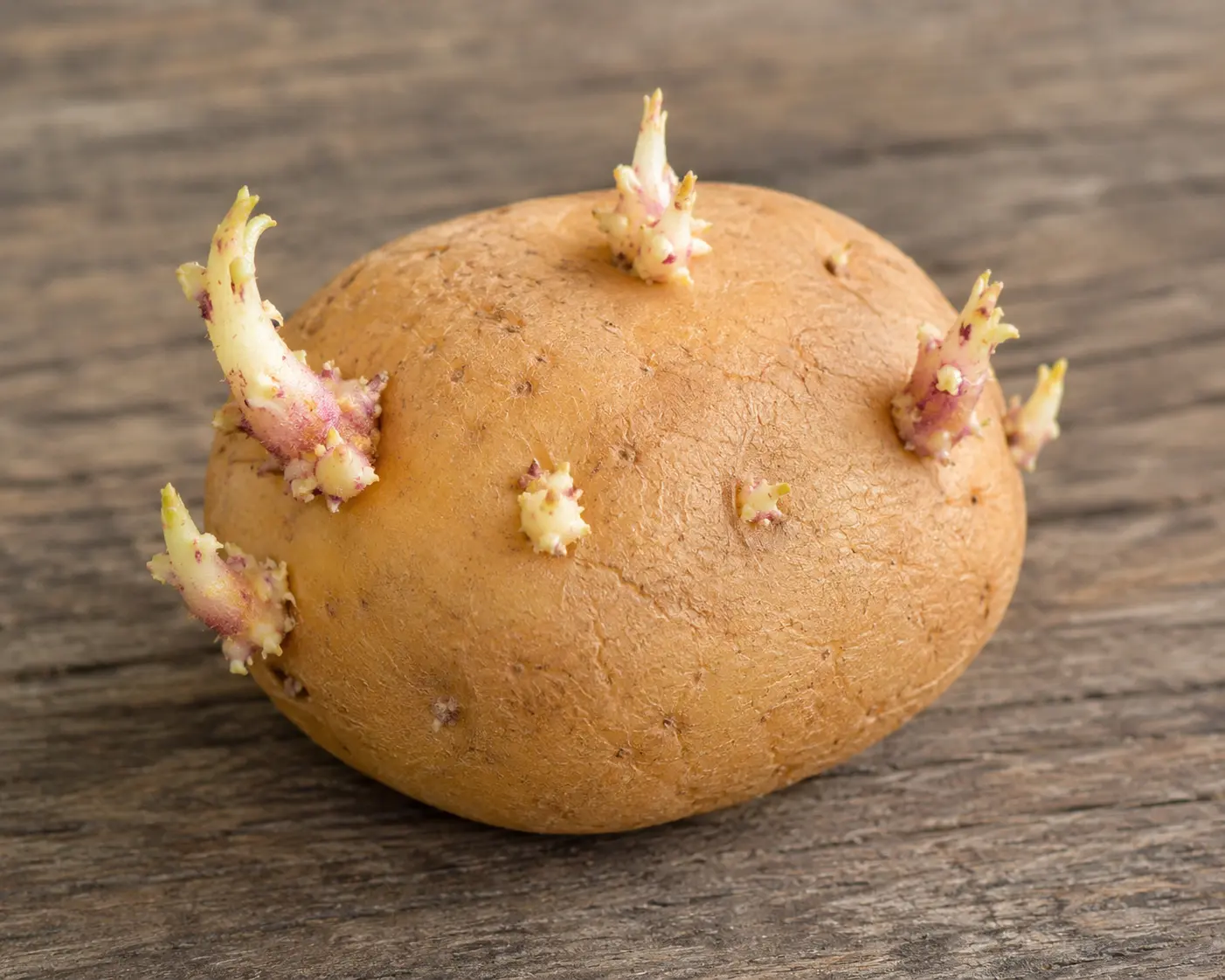
Potatoes are generally safe to eat when they are fresh, properly stored, and thoroughly cooked. However, potatoes that have turned green, become damaged, or developed large sprouts should be avoided.
Green or heavily sprouted potatoes may contain higher levels of naturally occurring compounds called glycoalkaloids, including solanine. These compounds are not completely destroyed by normal cooking and can be harmful if consumed in large amounts.
Eating green or heavily sprouted potatoes may cause symptoms such as nausea, vomiting, diarrhea, stomach pain, headache, or dizziness. In severe cases, consuming large amounts may lead to more serious health problems.
To reduce risk, choose firm potatoes without green patches or large sprouts, and store them in a cool, dark, and dry place. If a potato has extensive greening or sprouting, it is best to discard it rather than eat it.
Do Potatoes Spike Blood Sugar?
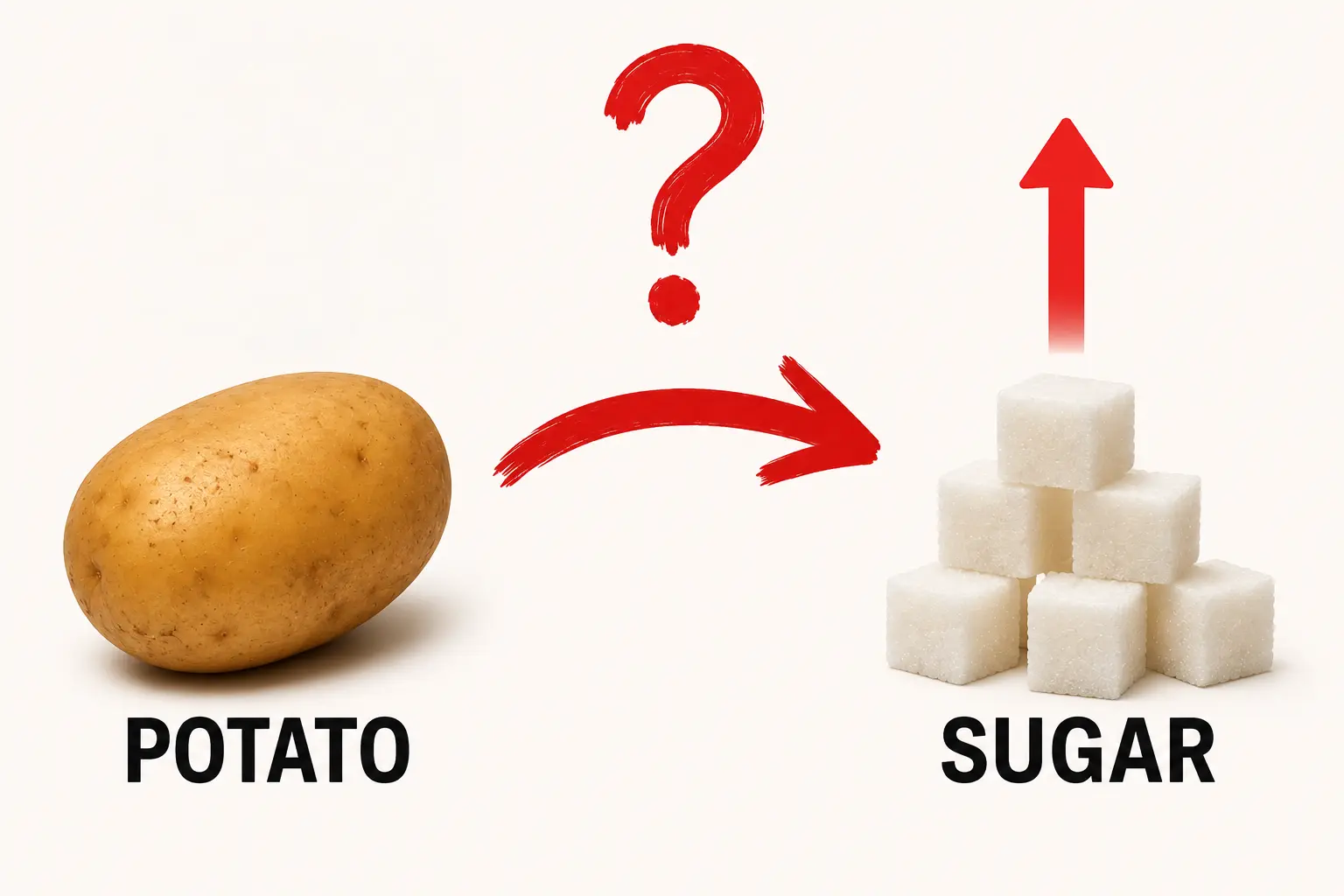
Potatoes can raise blood sugar levels because they contain carbohydrates, but the effect depends on the potato variety, cooking method, portion size, and the foods eaten alongside them.
A 2022 review, The Glycemic Index and Human Health with an Emphasis on Potatoes, found that factors such as potato variety, cooking methods, and resistant starch content can significantly influence a potato’s glycemic response. For example, cooling cooked potatoes may increase resistant starch, which can help lower their glycemic impact.
It’s also important to consider glycemic load (GL), which accounts for both the quality and quantity of carbohydrates consumed. This means potatoes can still fit into a balanced diet when eaten in appropriate portions.
For most healthy people, boiled, baked, or roasted potatoes can be part of a nutritious eating pattern. In fact, the classic A Satiety Index of Common Foods study found that boiled potatoes were among the most filling foods tested, which may help support appetite control and weight-management goals.
Different Types of Potatoes and Their Nutrition
There are many varieties of potatoes, including white, red, yellow, and purple potatoes. While these varieties differ in taste, texture, and appearance, their overall nutritional profiles are generally similar.
Most potato varieties provide carbohydrates, potassium, vitamin C, and small amounts of other nutrients. Some colored potatoes, particularly red and purple varieties, contain additional antioxidant compounds that may help protect cells from oxidative stress.
Although these differences exist, all potato varieties can be part of a healthy diet when prepared appropriately.
How Cooking Affects Potato Nutrition
Cooking methods can significantly influence the nutritional value of potatoes. Boiling and baking generally preserve most nutrients, especially when the skin remains intact. Steaming is another method that helps maintain nutritional quality.
Frying potatoes increases their fat and calorie content because oil is absorbed during cooking. Potato chips, french fries, and other heavily processed potato foods often contain additional sodium and calories that may make them less suitable for everyday consumption.
For the greatest nutritional value, simple cooking methods are generally preferred.
How Potato Benefits Fit Into a Balanced Diet
Potatoes can fit well into a balanced diet when they are combined with a variety of nutrient-rich foods. Pairing potatoes with vegetables, legumes, dairy products, or other protein sources helps create meals that provide a wider range of nutrients.
In many households, potatoes are valued because they are affordable, versatile, and easy to prepare. Their role in a healthy diet depends less on the potato itself and more on overall eating habits, cooking methods, and portion sizes.
When eaten in moderation as part of a varied diet, potatoes can contribute useful nutrients and energy without negatively affecting health.
Conclusion
Potato benefits include providing energy, potassium, vitamin C, and satisfying carbohydrates that help support daily nutrition. Despite common misconceptions, potatoes can be part of a healthy lifestyle when prepared using simple cooking methods and consumed in appropriate portions.
Whether included in traditional Indian meals or modern recipes, potatoes remain a practical, affordable, and nutritious food that can fit into a balanced diet.