Banana is one of the most widely consumed fruits in the world and a common part of Indian daily eating. Its popularity comes from being simple, affordable, and naturally suited for quick energy and easy digestion.

Banana benefits include providing carbohydrates for energy along with important nutrients like potassium and vitamin B6. Because it requires no preparation and is easy to carry, it fits naturally into everyday meals and snacks.
Banana is often considered a universal fruit because it is eaten across different cultures, age groups, and lifestyles — from children to athletes — mainly due to its practicality and balanced nutrition.
According to data from the USDA FoodData Central database, bananas are mainly composed of carbohydrates and water, providing energy along with potassium, vitamin B6, and vitamin C that support daily body functions.
Banana Nutrition Facts
A quick look at the nutrition value of overripe banana, based on USDA FoodData Central, shown in a simple format for easy comparison.
Per 100 g
Per Serving
Example: 1 medium banana (about 118 g)
Why Banana Is Considered a Universal Fruit
Bananas are available in most parts of the world and can be consumed without cooking or preparation. This makes them one of the most practical foods for daily use.
They are suitable for different situations — as a quick snack, part of breakfast, or combined with other foods. Their soft texture also makes them easy to eat for people of all ages.
Banana Benefits for Energy and Daily Life
Bananas are mainly composed of carbohydrates, which makes them an efficient source of energy. They are often used before physical activity or during the day when quick energy is needed.
The natural sugars in bananas provide immediate energy, while their overall composition helps maintain energy levels for a short period without feeling heavy.
Banana Benefits: Nutrients and Body Function
Bananas provide potassium, which plays a role in muscle function and helps maintain normal heart activity. This makes them useful for daily body function and physical activity.
They also contain vitamin B6, which supports metabolism and helps the body use nutrients effectively. In addition, small amounts of fiber support digestion.
How Banana Fits Into Daily Diet
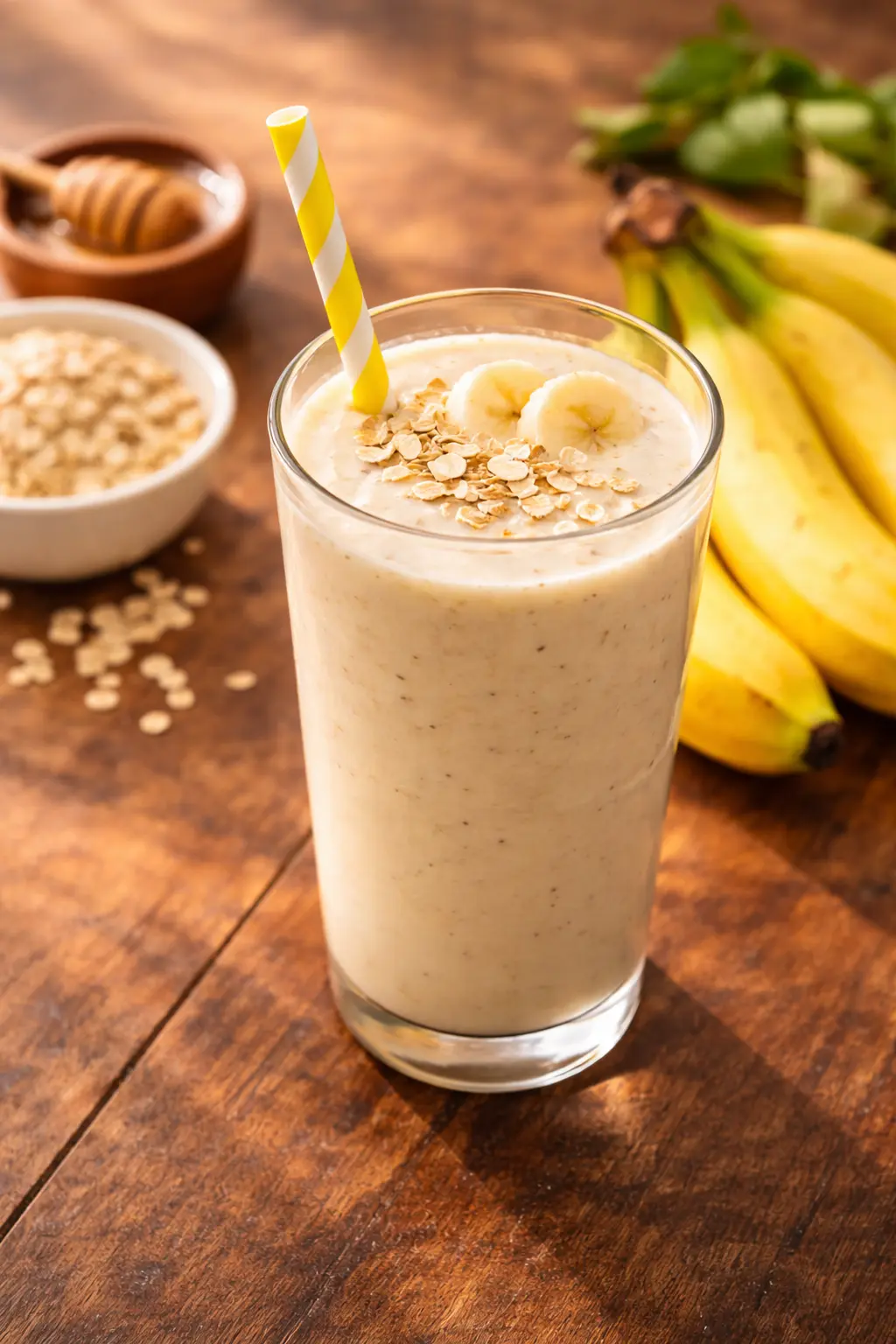
Bananas can be easily included in daily eating without planning. They are often eaten in the morning, before workouts, or as a snack between meals.
They can also be combined with milk, curd, oats, or nuts to create a more balanced meal that includes protein, healthy fats, and additional nutrients.
When Banana May Not Be the Best Choice
Although bananas are generally healthy, eating them in very large amounts may increase overall calorie intake. Balance is important, especially when trying to manage weight.
Very ripe bananas contain higher amounts of natural sugars, which may not be suitable for everyone in large quantities. Individual tolerance and diet goals should be considered.
How to Use Banana in a Practical Way
Bananas are most useful when used in simple ways. Eating them as a snack or combining them with other whole foods helps improve overall diet quality.
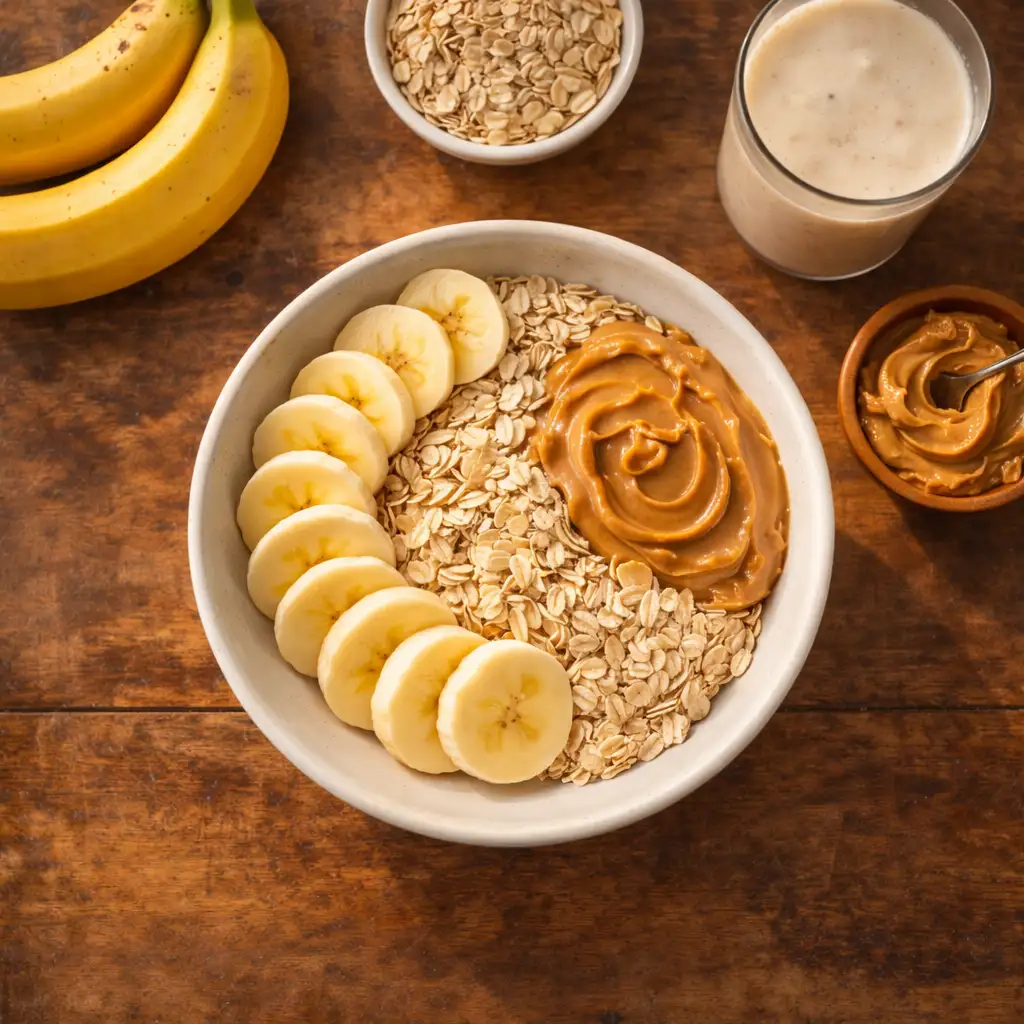
They can be added to smoothies, mixed with oats, or eaten with peanut butter to increase calorie intake when needed. For lighter eating, a single banana can be used as a quick and satisfying snack.
Conclusion
Banana is a simple and practical food that supports energy, digestion, and daily nutrition. Its ease of use and balanced nutrient profile make it one of the most reliable fruits for everyday eating.
To explore more foods like this, visit our fruits benefits guide.