Protein benefits are one of the most important things your body needs for daily life, energy, strength, and long-term health. Protein is not something only gym people should care about — it is a basic nutrient that every single person needs whether they are active, working, studying, or simply living a normal lifestyle. Without enough protein, your body slowly starts losing strength, energy, and recovery ability.
Your body is constantly working behind the scenes even when you are resting or sleeping. Millions of cells are breaking down and rebuilding every second, and protein is the main material that supports this natural repair system. When your diet contains enough protein, your body feels stronger, more energetic, and better balanced throughout the day. That is why understanding protein benefits is important for everyone who wants better health and long-term fitness.
Table of Contents
What is Protein
Protein is a fundamental nutrient that plays a key role in building and maintaining your entire body structure. It is made up of amino acids, which are tiny building blocks that combine to form muscles, skin, hair, nails, enzymes, and hormones. Without these amino acids, your body would not be able to repair itself or grow properly.
Every time you eat protein-rich foods like milk, eggs, dal, paneer, soy, chicken, or nuts, your digestive system breaks them down into amino acids. These amino acids then travel through your bloodstream and are used wherever your body needs repair, growth, or maintenance. This continuous process is what keeps you strong and healthy.
Unlike fat, protein is not stored in the body for long periods. This means you need to consume it regularly every day through your diet. If protein intake is not consistent, your body may start feeling weak, tired, and less efficient in daily activities. That is why protein benefits are directly connected to your daily eating habits and nutrition quality.
Why Protein is Important for Body
Your body never stops working, even when you are resting or sleeping. Every second, your body is repairing tissues, producing hormones, and maintaining essential functions that keep you alive and active. Protein plays a central role in all of these processes because it is responsible for repair, maintenance, and growth of body tissues.
One of the most important protein benefits is tissue repair. Whenever you walk, exercise, or even perform basic daily activities, your muscles and tissues experience small amounts of stress. Protein helps repair this damage and rebuilds the tissues stronger than before, allowing your body to stay active and strong over time.
Protein also supports enzymes and hormones that regulate digestion, mood, metabolism, and energy levels. Without enough protein, these processes become slower and less efficient, which can lead to fatigue, low energy, and reduced performance in daily life activities.
Protein Benefits for Health
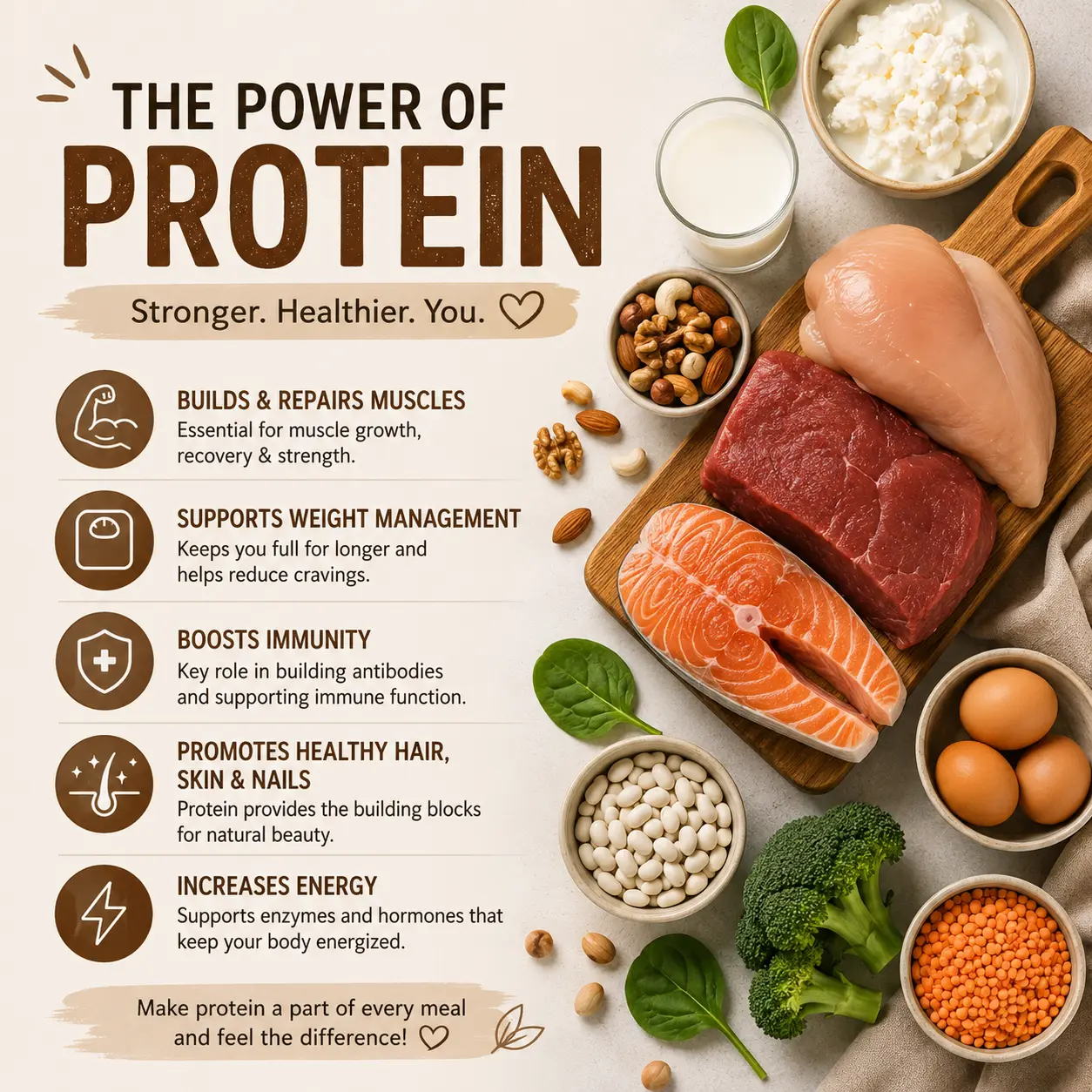
Protein benefits your overall health in many ways that often go unnoticed until your diet becomes unbalanced. One of the most important roles of protein is supporting your immune system. Your body uses protein to produce antibodies that protect you from infections, viruses, and bacteria, helping you stay healthier throughout the year.
Another major benefit is improved skin, hair, and nail health. Protein helps in the production of keratin and collagen, which are essential for maintaining strong hair, smooth skin, and healthy nails. When protein intake is sufficient, people often notice better skin texture and reduced hair fall over time.
Protein also helps your body recover faster from physical stress, injuries, and daily fatigue. Whether it is a long working day, physical activity, or mental stress, protein supports faster recovery and helps you feel more refreshed and active the next day.
Protein Benefits for Hair Health and Growth
One of the most important protein benefits is its direct impact on hair health. Hair is mainly made of a protein called keratin, which means your daily protein intake plays a major role in maintaining strong, thick and healthy-looking hair over time. When your diet has enough protein, your body is able to support normal hair structure and reduce unnecessary breakage.
Low protein intake may not directly cause genetic hair loss, but it can make hair weaker, thinner and more prone to shedding. Many people notice better hair texture, improved strength and reduced hair fall when they improve their overall protein intake along with balanced nutrition.
If you want to understand hair nutrition in detail, you can read our complete guide on male pattern baldness nutrition.
Protein Benefits for Muscle Growth
Muscle growth is one of the most well-known protein benefits, especially among people who exercise or play sports. When you perform physical activities, your muscle fibers experience small micro-tears. This is completely normal and part of the muscle-building process.
Protein helps repair these muscle fibers and rebuilds them stronger and thicker over time. This process leads to gradual muscle growth, increased strength, and improved physical performance. Without enough protein, your muscles take longer to recover and may not grow effectively.
Even if you are not trying to build big muscles, protein is still essential for maintaining basic strength and body function. It helps you perform daily tasks like walking, lifting objects, or working for long hours without feeling easily tired or weak.
Protein Benefits for Fat Loss
Protein plays a very important role in fat loss because it helps control hunger and improves metabolism. When you eat protein-rich foods, your stomach feels full for a longer period, which naturally reduces the urge to eat unhealthy snacks or extra calories.
Another important benefit is that protein increases the energy required for digestion. Your body burns more calories while processing protein compared to fats or carbohydrates. This helps improve overall calorie burn and supports weight management goals.
Protein also protects your muscles during fat loss. When you lose weight, your body may burn both fat and muscle. However, sufficient protein intake helps preserve muscle mass, ensuring that your body remains strong, toned, and healthy even during weight loss.
Best Protein Foods for Vegetarians
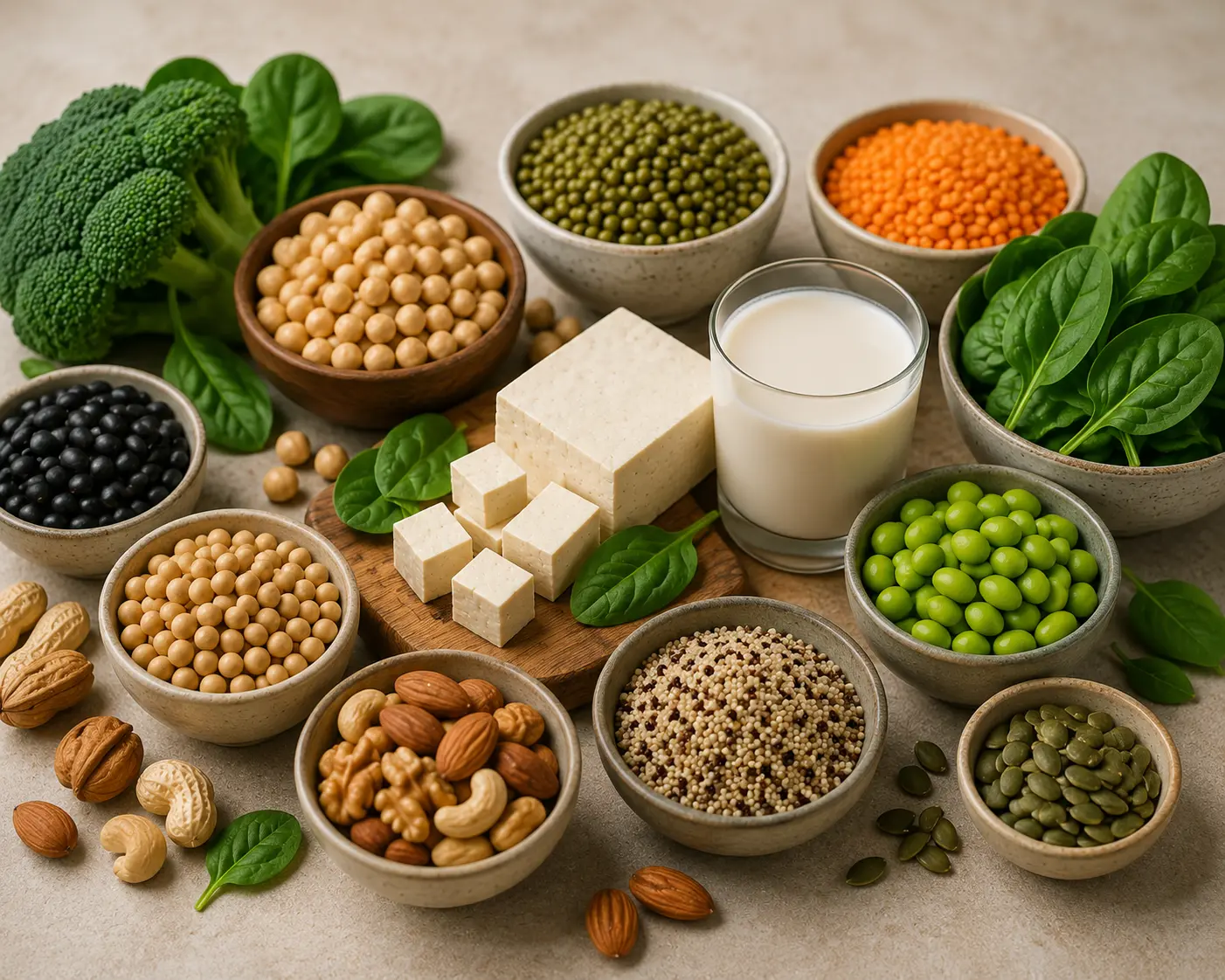
Getting enough protein on a vegetarian diet is possible when you choose a variety of protein-rich foods. Many vegetarian foods provide not only protein but also fiber, vitamins, minerals, and other nutrients that support overall health.
Some of the best vegetarian protein sources include milk, curd, paneer, soybean, lentils (dal), chickpeas, quinoa, nuts, seeds, peanuts, and almonds. Soy-based foods such as tofu and soybean are especially valuable because they provide high-quality protein and important amino acids.
Combining different foods can also improve protein quality. Simple meal combinations like dal with rice, paneer with roti, or curd with nuts can help provide balanced nutrition and support muscle growth, body repair, and daily energy needs.
A well-planned vegetarian diet can meet daily protein requirements without relying on meat or fish, making it a healthy option for many people.
Best Protein Foods for Vegetarians and Non-Vegetarians: Which Protein Is Better?
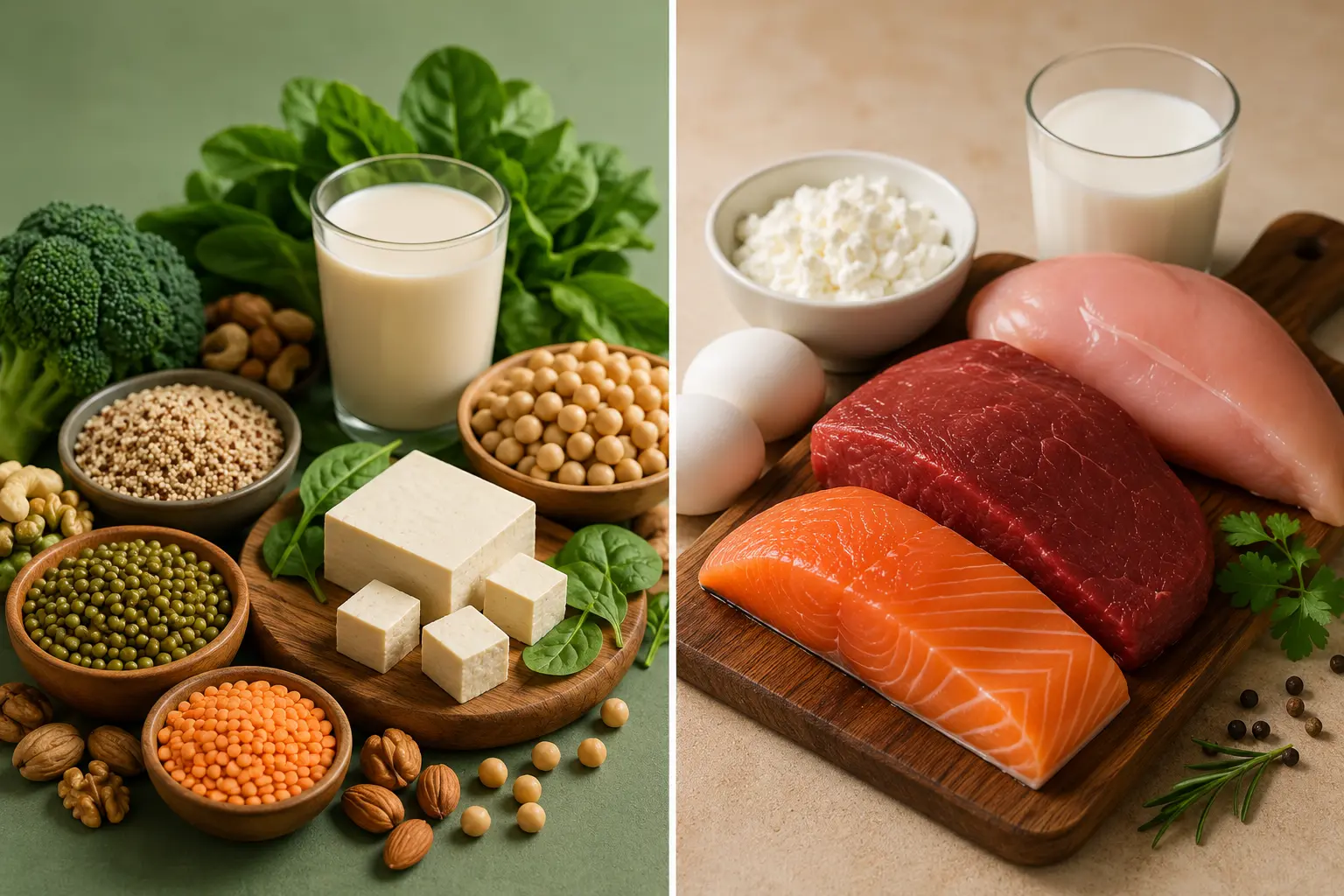
Getting enough protein through food is not difficult if you choose the right sources and maintain variety in your diet. Both vegetarian and non-vegetarian foods can provide quality protein and support muscle growth, energy, and overall health.
For vegetarians, protein-rich foods include milk, curd, paneer, soybean, lentils (dal), chickpeas, peanuts, almonds, quinoa, and other legumes. Although some plant proteins may have lower amounts of certain essential amino acids, combining different foods such as dal with rice or roti with paneer can help provide a complete protein profile.
For non-vegetarians, eggs, chicken, fish, and lean meat are considered high-quality protein sources because they naturally contain all essential amino acids and are easily used by the body. These options can be useful for people with higher protein needs, such as athletes or those focused on muscle building.
So, which protein is best: vegetarian or non-vegetarian? There is no single winner. Non-vegetarian protein is often easier to obtain in complete form, while vegetarian protein offers added nutrients such as fiber and plant compounds. The best choice depends on your dietary preference, lifestyle, and nutritional needs. A balanced diet with a variety of protein sources is usually the most practical approach.
Daily Protein Requirement
Your daily protein requirement depends on your body weight, age, activity level, and lifestyle. A person with a normal lifestyle needs a moderate amount of protein, while physically active individuals require more to support muscle recovery and energy needs.
Instead of focusing only on exact numbers, it is more important to include protein in every meal throughout the day. This helps maintain steady energy levels, better digestion, and improved overall health. Consistent intake is more important than occasional high consumption.
Signs of Protein Deficiency
When your body does not receive enough protein over time, it begins to show certain signs that should not be ignored. One common sign is feeling weak or tired even after normal daily activities, which indicates that your body is not getting enough nutrients for energy and repair.
You may also notice increased hair fall, slow wound healing, and frequent cravings for unhealthy foods. These signs often appear gradually and become more noticeable when protein intake remains low for a longer period.
Improving your diet with protein-rich foods can gradually help reverse these symptoms and restore your body’s natural strength and balance.
Can Too Much Protein Be Harmful
Protein is generally safe when consumed in balanced amounts through natural food sources. However, extremely high intake without proper hydration or fiber may sometimes cause digestion issues or discomfort in some individuals.
The key is maintaining balance in your diet. Your body needs protein, but it also requires carbohydrates, healthy fats, vitamins, and minerals for complete functioning. A balanced diet ensures better absorption and long-term health benefits.
Best Time to Eat Protein
There is no single perfect time to consume protein, but consistency throughout the day is the most effective approach. Spreading protein intake across breakfast, lunch, dinner, and snacks helps your body absorb nutrients more efficiently.
After physical activity is also an important time for protein intake because your muscles need repair and recovery. Including protein during this time supports faster healing and better strength development.
Common Myths About Protein
There are many myths surrounding protein that often confuse people. One common myth is that protein is only necessary for gym-goers, but in reality, every human body requires protein daily for basic survival and functioning.
Another misconception is that vegetarian diets cannot provide enough protein. However, foods like dal, paneer, soy, and nuts are rich sources of protein and can easily meet daily requirements when eaten properly.
Some people also believe that eating more protein automatically builds more muscle, but muscle growth depends on overall diet, exercise, and lifestyle, not just protein alone.
Final Conclusion
Protein benefits play a vital role in maintaining a strong, healthy, and active body. From muscle growth and fat loss to immunity and recovery, protein is involved in almost every major function of the human body.
When you include enough protein in your daily diet through natural foods, your body gradually becomes stronger, more energetic, and better balanced. Consistency in your diet is the key to long-term health improvements.
A simple habit of eating protein-rich foods every day can significantly improve your overall health, strength, and quality of life over time.