Indian summers can be harsh, especially for oily and acne-prone skin. Excess heat, humidity, sweat, and pollution can make your skin greasy, clogged, and prone to pimples.
In this guide, we’ll show you a simple and effective oily skin summer routine designed specifically for Indian weather. You’ll learn the right way to cleanse, moisturize, protect, and treat your skin, along with lifestyle tips, DIY remedies, and weekly care strategies to keep your skin fresh, matte, and breakout-free all summer.
Table of Contents
Why Oily Skin Worsens in Indian Summers
Oily skin happens when your sebaceous glands, the tiny oil-producing glands in your skin, become more active than usual. The oil they produce, called sebum, is actually beneficial—it keeps your skin hydrated, smooth, and protected from bacteria, dust, and pollution. A little shine is completely normal and healthy.
During Indian summers, several factors make these glands go into overdrive. High temperatures stimulate sebum production, while humidity increases sweating, which mixes with natural oil and makes the skin feel greasier.
Sun exposure also plays a role. UV rays can thicken the outer layer of the skin, trapping oil and dead cells, which can lead to clogged pores and breakouts.
Does Oily Skin and Summer Heat Cause Pimples?

Yes, oily skin combined with intense summer heat can increase the chances of pimples — especially in hot and humid Indian weather. Higher temperatures stimulate sebaceous glands to produce more sebum, while sweating increases at the same time. When oil mixes with sweat, dust, pollution, and sunscreen residue, pores clog more easily.
According to the American Academy of Dermatology, acne develops when pores become blocked with oil and dead skin cells, allowing bacteria to grow. This can lead to whiteheads, blackheads, and inflamed breakouts. That’s why following a consistent oily skin summer routine is important to control oil, keep pores clear, and reduce summer flare-ups.
If you want a deeper guide on preventing breakouts completely, read our detailed article on how to stop pimples from coming on your face, where we explain 7 proven strategies to reduce acne long term.
Morning Oily Skin Summer Routine (Step-by-Step Guide)
Your morning routine is the most important part of controlling oil throughout the day. The goal is to remove excess oil, balance the skin, hydrate lightly, and protect it from sun damage without making it greasy.
Step 1: Use a Gentle Gel-Based Cleanser
When you wake up, your skin already has oil, sweat, and bacteria on the surface. If you skip cleansing, this buildup mixes with sunscreen and dirt during the day, which can clog pores.
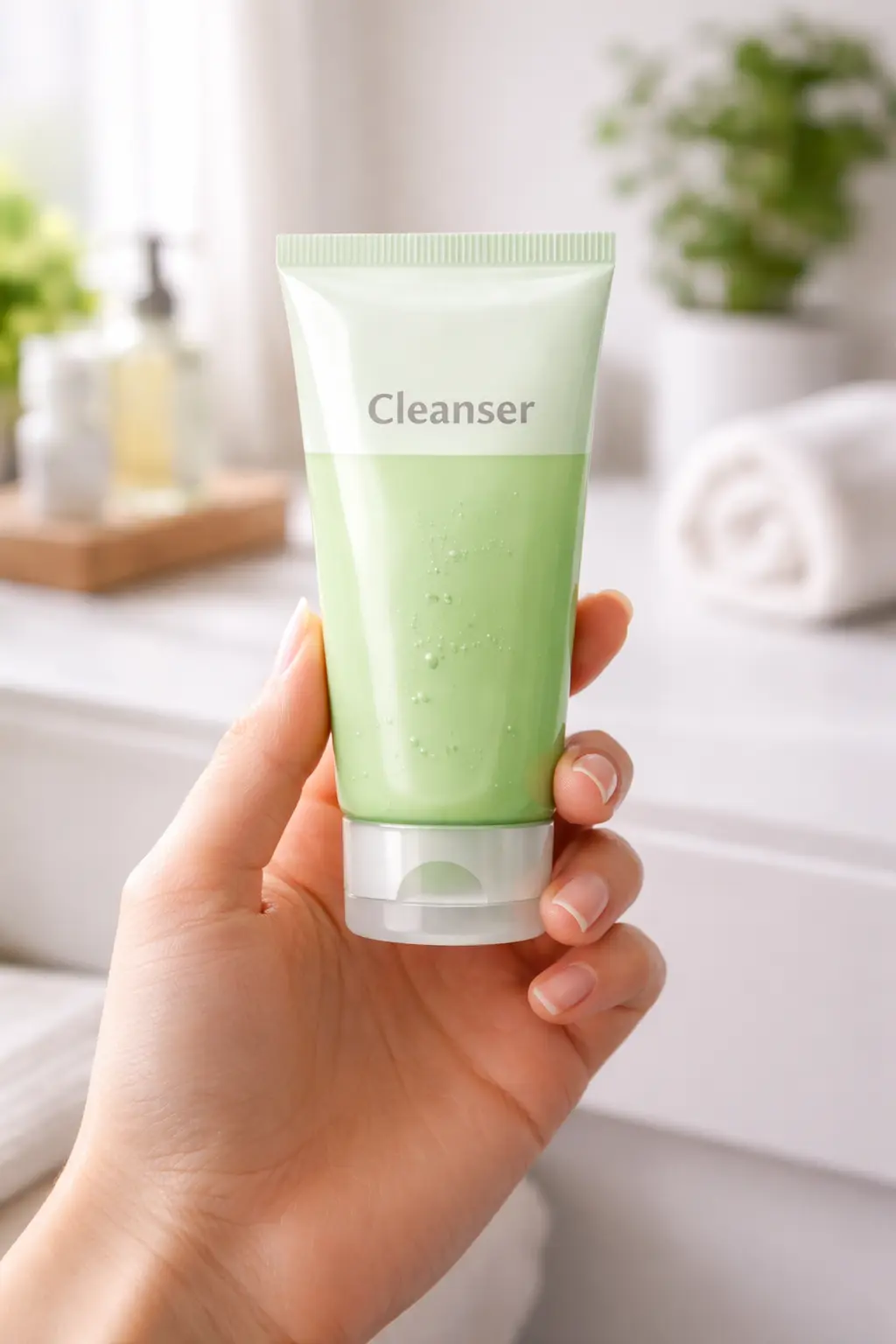
But using a strong or foamy face wash that makes your skin feel “tight” is not good either. That tight feeling usually means your natural barrier is stripped. When that happens, your skin produces even more oil to compensate.
A gentle gel cleanser works better in summer because it:
- Removes excess oil without drying
- Feels light on the skin
- Is suitable for humid weather
What Ingredients to Look For
Choosing the right ingredients makes your cleanser more effective for oily skin. Instead of focusing only on “oil control,” look for ingredients that balance and support your skin.
Salicylic Acid (BHA)
An oil-soluble exfoliant that penetrates deep into pores and helps dissolve excess sebum. It reduces blackheads, prevents clogged pores, and is especially helpful for acne-prone oily skin.
Niacinamide (Vitamin B3)
Helps regulate sebum production without drying the skin. It also strengthens the skin barrier and reduces redness, making your skin more balanced over time.
Green Tea Extract
Rich in antioxidants that calm inflammation caused by heat and pollution. It helps control shine and protects the skin from environmental stress.
Zinc
Known for its oil-controlling and soothing properties. It supports acne-prone skin by reducing excess sebum and calming irritation.
Wash your face twice a day — not more. Overwashing can increase oiliness.
Step 2: Apply an Oil-Control Toner (Optional)
Toner is not a compulsory step, especially if you are already using a good gentle cleanser. But in Indian summers, when humidity is high and skin feels sticky within minutes, a lightweight toner can be helpful.

After cleansing, your skin may still have traces of sweat, hard water residue, or leftover oil. A mild toner can remove this and refresh your skin before you apply moisturizer.
Why It Can Help in Summer
In hot and humid weather, pores can appear larger because of excess oil and sweat. A soothing toner can:
- Lightly control excess shine
- Refresh and cool the skin
- Help balance skin after washing
- Prepare skin for better absorption of moisturizer
It gives that clean, fresh feeling without making skin dry.
What Ingredients to Look For
Choose alcohol-free formulas with ingredients like:
Aloe Vera
Provides lightweight hydration while calming irritation caused by heat and sweat. It refreshes the skin without making it greasy.
Panthenol (Pro-Vitamin B5)
Helps soothe and repair the skin barrier. It reduces tightness after cleansing and keeps skin balanced in humid weather.
Centella Asiatica (Cica)
Known for its calming properties, it helps reduce redness and supports skin recovery — especially useful if your skin gets irritated in summer.Alcohol-Free Witch Hazel
Alcohol-Free Witch Hazel
Helps temporarily refine the appearance of pores and reduce surface shine without drying the skin (when alcohol-free).
What to Avoid
Avoid strong alcohol-based toners. They may make your skin feel dry and tight at first, but over time they can weaken the skin barrier and actually increase oil production.
Do You Really Need It?
If your skin feels balanced and comfortable after cleansing, you can skip toner completely. It’s an extra support step — not a necessity.
Keep your routine simple. More products do not always mean better results.
Step 3: Lightweight Gel Moisturizer Is a Must
This is the step most people with oily skin skip — and it’s one of the biggest mistakes.
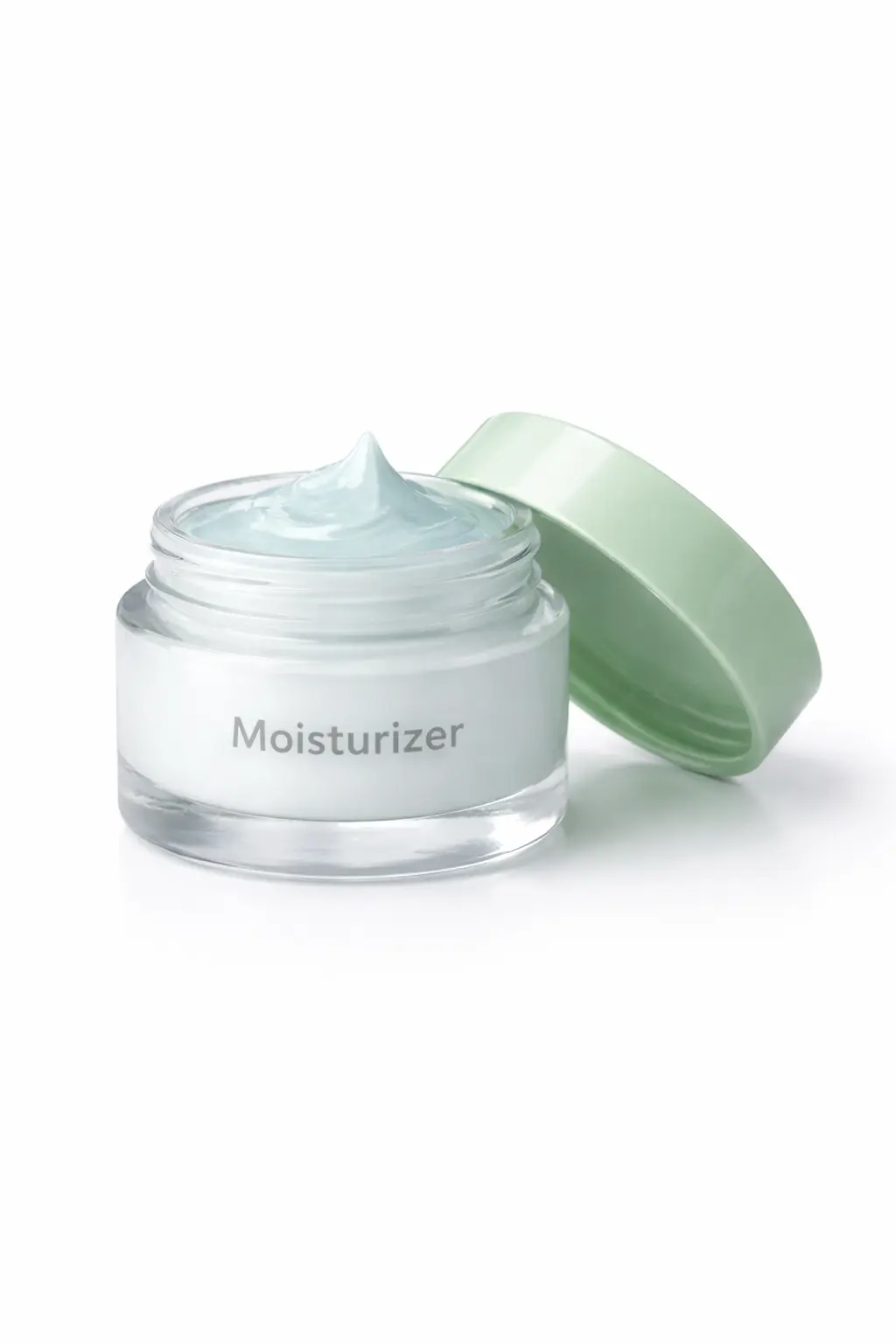
Just because your skin produces oil doesn’t mean it is properly hydrated. In fact, heat, sun exposure, and frequent washing can dehydrate your skin. When that happens, your skin tries to protect itself by producing even more oil.
So skipping moisturizer can actually make your face look greasier during the day.
Why Moisturizer Is Important for Oily Skin
A good moisturizer is essential even for oily skin because it helps maintain a healthy skin barrier and prevents dehydration. When your skin lacks proper hydration, it may start producing more oil to protect itself. Using the right lightweight moisturizer supports balanced oil production and reduces irritation caused by sun exposure and pollution. When the skin barrier stays strong and healthy, oil levels become more stable and easier to manage throughout the day.
Ingredients to Look For
Choose formulas with:
Hyaluronic Acid
A powerful humectant that attracts water into the skin and helps maintain hydration without adding oil. It gives a fresh, plump look without heaviness.
Glycerin
Draws moisture into the skin and helps keep it soft and balanced. It’s gentle, effective, and suitable for daily use.
Ceramides
Essential lipids that strengthen and repair the skin barrier. A healthy barrier reduces irritation and helps stabilize oil production.
Panthenol (Pro-Vitamin B5)
Soothes and supports barrier repair while providing lightweight hydration — ideal for summer use.
This step keeps your skin balanced so it doesn’t overproduce oil later in the day.
Why Gel-Based Moisturizer Works Best in Summer
In humid summer weather, heavy creams can feel sticky on the skin and may make pores feel more congested. A gel-based or oil-free moisturizer works better because it has a lightweight texture that absorbs quickly without leaving a greasy layer. It sits comfortably under sunscreen and doesn’t make your face look shiny within a few hours. Most importantly, it provides proper hydration without adding extra oil, which helps keep your skin balanced and fresh throughout the day.
Step 4: Apply Sunscreen (Non-Negotiable Step)
Why Sunscreen Is Good for Oily Skin
If there’s one step you should never skip in your oily skin summer routine, it’s sunscreen. Indian summers bring intense UV exposure that doesn’t just cause tanning — it quietly damages healthy skin cells beneath the surface. According to the American Academy of Dermatology’s guide on sun damage, repeated sun exposure accelerates skin damage and increases the risk of long-term issues. Even on cloudy days, UV rays penetrate the skin and trigger inflammation.
For oily and acne-prone skin, this damage can be even more problematic. Excess sun exposure can worsen redness, darken acne marks, weaken the skin barrier, and disrupt natural oil balance. When the barrier is compromised, your skin may respond with unstable sebum production — leading to more shine and breakouts. A lightweight, non-comedogenic sunscreen protects your skin barrier, prevents pigmentation, and keeps your summer skincare routine for oily skin complete and effective.

Common Mistakes People Make
One common mistake is skipping sunscreen because it feels greasy. Another mistake is applying too little product. Most people do not use enough to get proper protection. Some also forget to reapply during the day, especially when sweating. Using very heavy or oily formulas that clog pores is another problem for people with oily skin. Skipping sunscreen on cloudy days is also a mistake, because UV rays can still damage your skin even when the sun is not visible.
What to Look For
When choosing a sunscreen for oily skin, focus on lightweight formulas that protect without feeling heavy or greasy. In humid summer weather, the right texture and ingredients make a big difference in how comfortable your skin feels throughout the day.
Look for:
- Lightweight, non-comedogenic formula – won’t clog pores
- Gel-based or matte texture – feels more comfortable in humidity
- Zinc oxide or titanium dioxide – provide reliable sun protection
- Niacinamide – helps support oil balance
- Vitamin E or green tea – protect against environmental damage
Always choose SPF 30 or higher for daily use. Apply about two finger lengths of sunscreen for your face and neck to get proper protection.
Quick Summary of the Morning Routine
Taking care of oily skin in summer is not about removing all the oil. It’s about keeping your skin balanced, hydrated, and protected.
Here’s the simple routine:
- Cleanse gently to remove excess oil without damaging your skin barrier.
- Use toner (optional) if your skin feels extra sticky or sweaty in humid weather.
- Apply a lightweight gel moisturizer to prevent dehydration and control excess oil.
- Finish with sunscreen to protect your skin from UV damage, pigmentation, and inflammation.
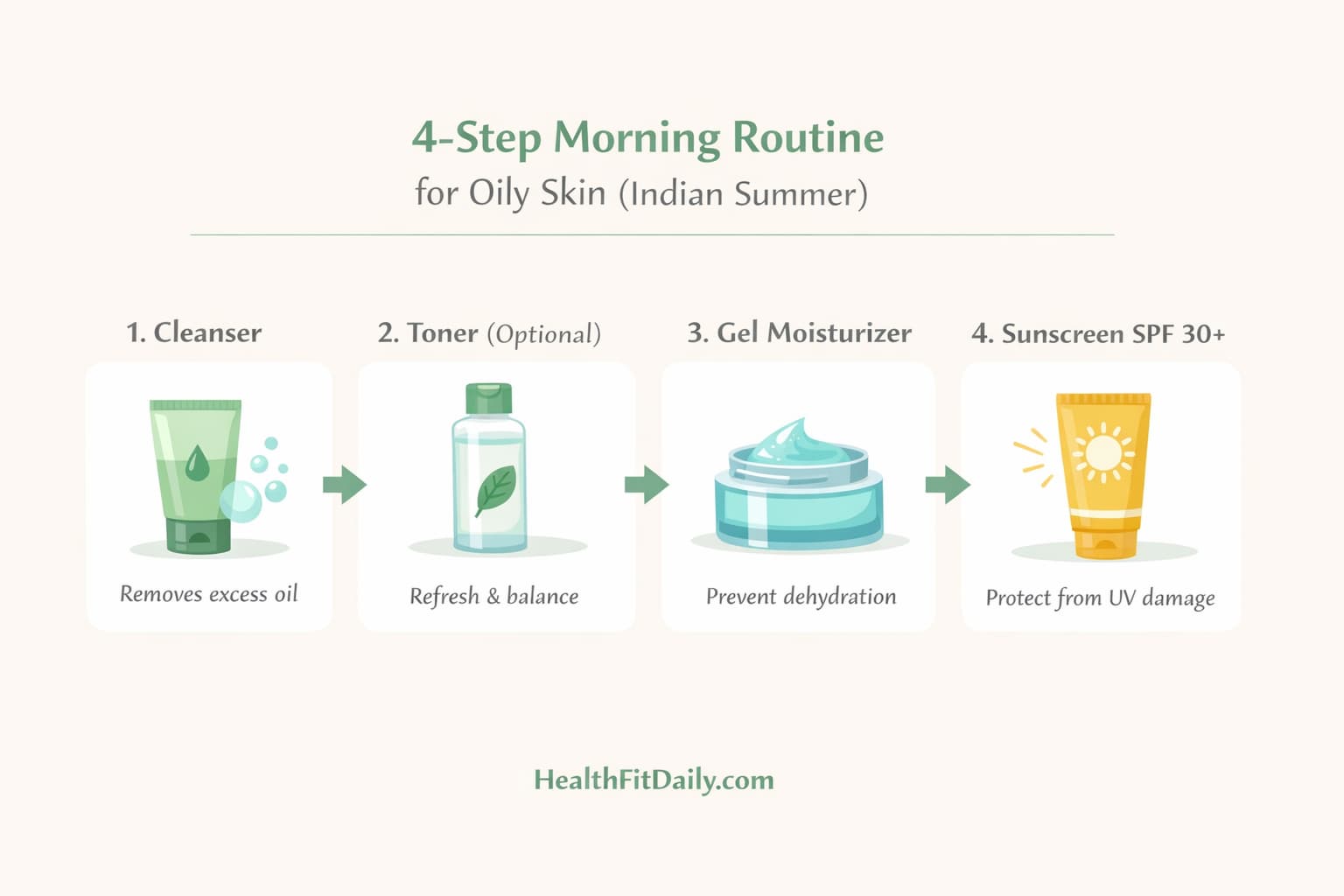
When you follow these four steps consistently, your skin stays fresher, less greasy, and less prone to breakouts — even during harsh Indian summers.
Consistency matters more than using too many products. Keep it simple and stick to the routine daily.
Night Oily Skin Summer Routine (Repair & Oil Control)
During the day, your skin deals with sweat, oil, pollution, and sunscreen.At night, your focus should be repair and reset.
For oily skin in summer, you don’t need a complicated routine.You just need the right steps done consistently.
Step 1: Cleanse Properly
Night cleansing is non-negotiable.
Throughout the day, oil mixes with dust, pollution, and sunscreen. If this buildup stays on your skin overnight, it increases the risk of clogged pores and breakouts.
Use a gentle cleanser and wash thoroughly, but avoid harsh scrubbing. Your goal is to clean the skin — not strip it.
Step 2: Apply Treatment (2–3 Times a Week)
Night is the best time to use treatment products because your skin is not exposed to sunlight.If you struggle with acne, clogged pores, or uneven texture, this is the step where you address it.
Do not use strong treatments every single night. Overdoing it can damage your skin barrier and actually increase oil production.
Step 3: Moisturize
Many people with oily skin skip moisturizer, but that can lead to dehydration. When skin lacks water, it may produce even more oil to compensate.
Use a lightweight moisturizer that feels comfortable and not greasy.
Why Night Routine Matters
Leaving oil, sweat, sunscreen, and pollution on your skin overnight is one of the biggest reasons summer breakouts happen—especially for oily skin. When pores stay clogged for hours during sleep, it increases the chances of acne, excess shine, and irritation.
A simple three-step night routine helps keep pores clearer, reduces extra oil production, supports the skin’s natural repair process, and maintains balanced sebum levels.
Skincare doesn’t need to be complicated. It just needs to be consistent.
Quick Summary of the Night Routine
Night care helps your skin repair, calm inflammation, and prevent clogged pores after a long, sweaty summer day.
Here’s the simple routine:
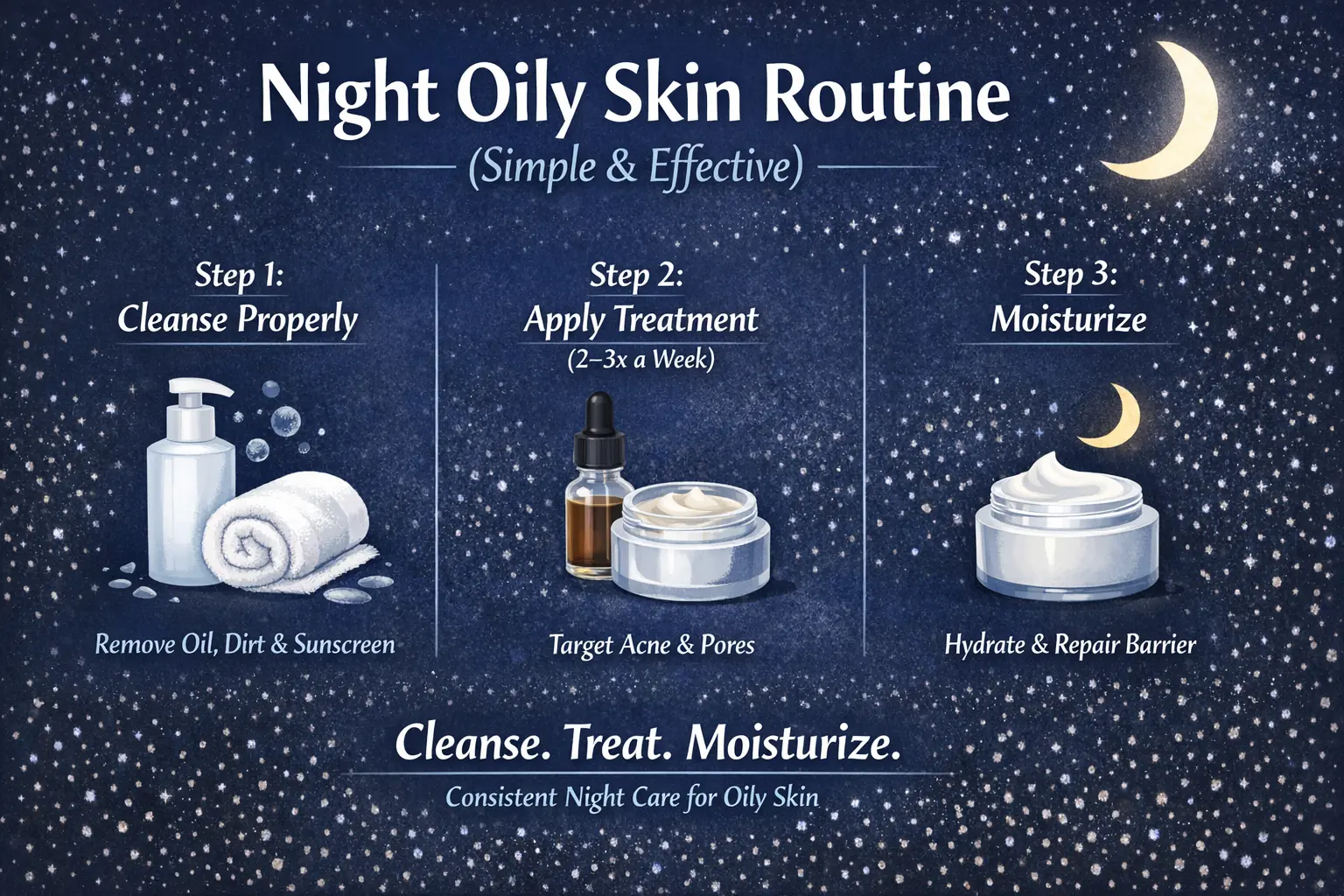
At night, your skin enters recovery mode and begins repairing the stress of the day. However, if excess oil, sweat, and sunscreen aren’t properly removed, they can clog pores and increase the chances of breakouts — especially in hot, humid summer weather.
Common Mistakes People Make During Oily Summer Days
In summer, oily skin feels harder to manage. But sometimes daily habits make it worse without you realizing it.
Washing Your Face Too Many Times
Overwashing is one of the most common mistakes in an oily skin summer routine. When your face feels greasy in hot and humid weather, the first instinct is to wash it repeatedly. While it may feel refreshing for a few minutes, frequent cleansing can strip away your skin’s natural protective oils.
When the skin barrier becomes weakened, your sebaceous glands respond by producing even more oil to compensate. This can lead to increased shine, clogged pores, and more breakouts — the exact opposite of what your summer skincare routine for oily skin is meant to achieve.
For best results, wash your face only twice a day — once in the morning and once at night — and use a gentle gel-based cleanser that supports your oily skin summer routine without over-drying your skin
Not Changing Pillowcases Regularly
Ignoring pillow hygiene can quietly disrupt your oily skin summer routine. Every night, your pillowcase absorbs oil, sweat, dead skin cells, and bacteria from your face and hair. During hot Indian summers, sweating increases, which makes this buildup even worse.
If pillowcases are not changed regularly, that accumulated oil and bacteria transfer back onto your skin, increasing the risk of clogged pores and breakouts. This can interfere with your summer skincare routine for oily skin, even if you are following all the right cleansing steps.
To support your oily skin summer routine, change pillow covers at least 2–3 times per week in summer. Clean bedding helps reduce bacterial exposure and keeps your skin environment fresher and healthier.
Touching Your Face Repeatedly

Touching your face often can weaken your oily skin summer routine. In hot weather, your hands transfer dirt, bacteria, and oil onto already sweaty skin, increasing the risk of clogged pores and breakouts.
Even a good summer skincare routine for oily skin won’t help if this habit continues. If you need to wipe sweat, use a clean tissue instead of your hands.
Skipping Sunscreen Because It Feels Greasy
Another major mistake in an oily skin summer routine is skipping sunscreen because it feels heavy or greasy. Many people with oily or acne-prone skin avoid SPF during summer, thinking it will make their face shinier. However, sun exposure increases inflammation, darkens acne wmarks, weakens the skin barrier, and can even disturb oil balance.
When UV rays damage the skin, it may respond with more irritation and unstable sebum production — which can worsen breakouts over time. This is why sunscreen is a non-negotiable step in any summer skincare routine for oily skin.
Instead of skipping it, choose a lightweight, gel-based, or matte sunscreen that suits hot and humid Indian weather. The right formula protects your skin without clogging pores and keeps your oily skin summer routine complete and effective.
Using Too Many New Products at Once
One common mistake in an oily skin summer routine is introducing too many new oil-control products at the same time. During hot and humid weather, your skin is already under stress from heat, sweat, and pollution. Layering multiple active ingredients together can irritate the skin barrier.
When the skin becomes irritated, it may respond by producing even more oil — which increases the chances of clogged pores and breakouts. This can undo the benefits of your entire summer skincare routine for oily skin.
Instead of experimenting with several products at once, keep your oily skin summer routine simple and consistent. Introduce new products slowly, one at a time, and give your skin time to adjust.
Keep it simple and consistent.
Weekly Care for Oily Skin in Summer
Daily skincare keeps your skin protected, but weekly care plays an important role in strengthening your oily skin summer routine, especially during hot and humid Indian weather. Over the week, excess sebum, sweat, sunscreen, and pollution can build up inside pores — even if you cleanse properly every day.
Adding simple treatments like gentle exfoliation and clay masks helps remove trapped oil, dead skin cells, and surface buildup. Exfoliating once or twice a week keeps pores clearer and smoother, while clay masks absorb excess oil and reduce shine — particularly in the T-zone where oil production is usually higher.
These weekly steps enhance your summer skincare routine for oily skin without making it complicated. They support long-term oil balance, help prevent breakouts, and leave your skin feeling fresher, more matte, and healthier even in harsh summer heat. Think of it as reinforcing your oily skin summer routine, so your daily morning and night care works more effectively.
FAQ
Do I really need sunscreen if I have oily skin?
Absolutely. Sunscreen protects against UV damage, pigmentation, and inflammation. Use a lightweight, non-comedogenic formula suitable for oily skin.
Can I exfoliate every day?
No. Exfoliating 1–2 times a week is sufficient. Daily exfoliation can irritate your skin and trigger more oil production.
How many times should I wash my face in summer?
Twice a day is enough — morning and night. Overwashing can strip your skin barrier and increase oil production.
Can oily skin get dehydrated?
Yes! Oily skin still needs hydration. Skipping moisturizer can actually trigger more oil production as your skin tries to compensate for dryness. Use a lightweight gel or oil-free moisturizer.
Medical Disclaimer:
This content is intended for informational purposes only and should not be considered medical advice. Skincare recommendations may not be suitable for everyone. For accurate diagnosis and personalized treatment, consult a licensed dermatologist or qualified healthcare provider.
Conclusion
A simple, consistent oily skin summer routine can help control excess oil and reduce breakouts during hot Indian summers. Gentle cleansing, lightweight hydration, and daily sunscreen are the key steps — not harsh treatments.
If your acne is severe or persistent, consult a qualified dermatologist for proper diagnosis and treatment. For a deeper acne-prevention plan, you can also read our guide on how to stop pimples from coming on your face.
Clear skin comes from consistency and informed care — not quick fixes.